

Indian business owners today face a digital dilemma: with so many platforms available – from Instagram, LinkedIn, Facebook to Google, YouTube, and WhatsApp – which should you focus on to grow your business? The answer isn’t one-size-fits-all. It depends on where your audience spends time and how they engage online, which in India can vary by industry, age group, city tier, and even language. In this comprehensive guide, we’ll break down platform behaviors in India, share usage statistics and psychology insights, and give actionable advice for various industries. By the end, you’ll have a clear idea of where to invest your marketing efforts – and how Smart Designs can help you craft a winning strategy.
India’s Digital Landscape at a Glance
India’s internet user base is massive and growing. As of early 2025, about 806 million Indians use the internet (55% of the population), and 491 million have social media accounts. That’s a huge audience – yet it also means nearly two-thirds of Indians are not on social media yet, signaling big growth potential. Notably, India’s population is young (median age ~29) and largely mobile-first. 96% of internet users access via smartphones, and affordable data plans have fueled a surge of new users, especially outside major cities.
Time spent online is high. Indians spend 6 hours 49 minutes on the internet daily on average, with 2 hours 28 minutes per day on social media – about on par with global averages. This indicates Indian consumers are as engaged online as anyone in the world. However, how they spend that time is unique: a recent study shows 52% go online to find information, 50% to stay in touch with friends/family, 50% to watch videos, and 47% to get ideas or inspiration. In other words, information, social connection, entertainment, and inspiration are key drivers of Indian internet use. For businesses, content that educates, connects, or entertains is likely to resonate.
Urban vs Rural & Tier 1 vs Tier 2: Only 37% of Indians live in urban areas, meaning the next wave of digital growth is in semi-urban and rural “Bharat.” Users in Tier-2 cities and beyond now account for the majority of online engagement, thanks to cheaper data and smartphones. These users often prefer content in regional languages – about 42% of non-metro (Tier-2+) users consume content in local languages, vs 35% in metros. This is a crucial insight: adopting a multilingual, culturally relevant content strategy can significantly boost your reach in Tier-2 and Tier-3 markets. For example, platforms like ShareChat and Moj (popular in regional markets) thrive on local language content. Even on global platforms, Hindi, Tamil, Bengali, and other languages perform well with these audiences.
Global comparisons: India is central to the global social media ecosystem. It’s the #1 country for Facebook and Instagram users – Instagram had 414 million users in India in early 2025 (roughly 2.5 times the U.S. count), and Facebook had 384 million. India is also LinkedIn’s second-largest market at 150 million members. In messaging, WhatsApp is practically ubiquitous – used by 81% of Indian internet users – making India WhatsApp’s biggest market. And YouTube’s reach in India is unmatched, with ads able to reach 491 million Indians (61% of internet users). These figures underscore that any platform strategy in India has to account for sheer scale. What works globally often needs tailoring to India’s size and diversity – whether that’s handling content in multiple languages or managing communities that span millions.
User demographics and behavior: Indian social media audiences skew young and male. The largest segment of users is roughly ages 15–34 – young adults and teens drive trends on Instagram, YouTube, etc. Also, men significantly outnumber women on many platforms (a reflection of broader internet access patterns). For instance, only 26% of Facebook’s Indian users are female, and around 29% of Instagram’s are female. This doesn’t mean women aren’t online (they are tens of millions strong), but it suggests content targeting female audiences may face less competition in some spaces. It also means community trust factors can differ – women often rely on tighter social circles online, while men might engage more openly in public groups. Trust and social proof are critical: Indian users tend to trust content shared by friends and family (remember, staying connected with loved ones is the #1 reason for social media use). They also value reviews and testimonials – but are wary of anything that feels fake or too salesy. Building trust in India often means showing social proof (real customer stories, ratings), using authentic local voices, and interacting directly (for example, responding to inquiries on WhatsApp or comments on Facebook to show there’s a real human behind the brand).
In summary, the Indian digital landscape is massive, youthful, mobile-driven, and culturally varied. With this context in mind, let’s look at how the major platforms – Instagram, Facebook, LinkedIn, YouTube, Google, and WhatsApp – behave in India, and how Indian users engage with them.
How Indians Engage on Key Platforms
Each platform serves a different role in India’s online ecosystem. Here’s a quick overview of the “big six” platforms and their usage patterns in India:
- Facebook: Still one of the widest-reaching platforms in India with about 384 million users. Its user base spans urban and rural, with strong adoption even among older age groups and in Tier-2 cities. Facebook is used for news, community groups, and general social networking. Indians spend about 20 hours 42 minutes per month on FB on average, indicating high engagement. Behavior: Facebook in India has become a hub for local community discussions (think housing society groups, local marketplace groups) and for following public figures. It’s also a male-skewed audience (74% male), and content tends to be a mix of vernacular memes, news videos, and family/friend updates. Global note: India is likely Facebook’s #1 market by users, though engagement per user is slightly lower than some Western markets. Regardless, for broad reach – especially if your target includes 30+ age demographics or Tier-2 city consumers – Facebook remains effective.
- Instagram: The fastest growing major platform in India. With 414 million users (early 2025), India is Instagram’s largest market. About 28% of Indians (and 51% of Indian internet users) use Instagram. It’s hugely popular among youth (ages 18–34) and urban users. Engagement is high – Indians spend ~20.5 hours/month on Instagram, almost on par with Facebook. Behavior: Instagram in India is all about visual storytelling and trends. Reels (short videos) are a rage across both metros and smaller towns – from fashion and comedy skits to motivational reels in regional languages. Influencer culture is big; local influencers (including micro-influencers in niches like food, travel, education) have highly engaged followings. Regional language content is growing on IG too (e.g., creators making Reels in Tamil or Marathi to connect with local fans). For brands, Instagram offers a chance to build a cool, aspirational image and leverage trends (music, challenges, hashtags) to get discovered. Global note: Instagram’s Indian audience is more than double the U.S.’s, and features like Reels actually took off in India (in part due to TikTok’s ban). If your business has any visual or lifestyle element, Instagram is almost a must in India for brand awareness.
- LinkedIn: India’s go-to professional network, with 150 million members (2nd only to the U.S.). However, LinkedIn’s active user base is smaller – remember, 150M is total registered members (roughly 10% of Indians). Usage is concentrated in Tier-1 cities and among professionals in IT, business, education, etc. Behavior: LinkedIn India is used for networking, recruiting, B2B marketing, and thought leadership. The core users are young professionals 25–34 (who form nearly half of LinkedIn’s global user base). They engage with industry news, career advice, and corporate content. Indian LinkedIn users are increasingly active – some data shows they average 48 hours/month on the app via mobile (indicating daily check-ins by power users). For B2B companies and startups, LinkedIn is a powerful platform to generate leads and build credibility. In fact, globally over 80% of B2B social media leads come from LinkedIn – a trend likely true in India’s B2B scene as well. Global note: LinkedIn’s importance for B2B is universal, but India’s proportion of professionals on LinkedIn is still lower than in the West (many in smaller cities or traditional industries haven’t joined yet). This means LinkedIn ads can target a more premium, urban audience in India – often decision-makers with higher purchasing power.
- YouTube: Arguably the most penetrative platform in India. With an advertising reach of 491 million (34% of the population), YouTube effectively covers 61% of India’s internet users. Its content ranges across languages and genres – from Bollywood music videos and cricket clips to village vlogs and tech tutorials. Behavior: YouTube is India’s favorite video platform for education and entertainment. Over 55% of online Indians watch music videos, 44% watch comedy or memes, 37% watch educational content. Thanks to cheap data (the Jio effect), even rural users stream YouTube regularly – often preferring content in their native language. Many Indian small businesses run YouTube channels (for example, a cooking channel for a restaurant, or DIY tips from a home décor store) to organically reach an audience. For advertising, YouTube offers tremendous scale for video ads at relatively low cost per view. Global note: India has likely the largest YouTube audience in the world. One unique aspect is the dominance of regional language content – a Punjabi comedy sketch or Tamil tech review can get millions of views. Brands should note that vernacular video content can unlock huge audiences.
- Google Search & Ads: While not a “social network,” Google is a critical platform for any business. Search is often the first touchpoint for Indian consumers researching products or services (52% go online to find information). Whether it’s a student searching “best MBA colleges in India” or a family searching “hotel deals in Goa,” being visible on Google can directly drive traffic and footfall. Behavior: Indians heavily rely on Google for local searches (“near me” queries for restaurants, hospitals, etc.), for product research, and even for comparing services. Ensuring your business appears on relevant searches (via SEO or Google Ads) is vital. Also, Google’s ecosystem in India includes Google Maps (for location-based searches and reviews) and Google Business Profile (formerly Google My Business) – the latter is crucial for local businesses to show up with photos, addresses, and customer reviews. Actionable tip: keep your Google Business listing updated and encourage happy customers to leave reviews – Indians do check ratings and reviews on Google, especially for local services (even as they remain wary of obviously fake reviews). In terms of advertising, Google Ads (Search Ads) allow you to capture high-intent leads – e.g., a construction company can bid on “buy flat in Pune” and appear to a user actively looking to purchase property. For many industries (healthcare, real estate, education), search ads often deliver some of the best ROI because they catch the user when they’re actively seeking that service.
- WhatsApp: The default communication app for India. With an estimated 80-81% of internet users on WhatsApp, it’s used across age groups and geographies. WhatsApp isn’t a traditional “marketing” platform, but it’s a powerful business tool for engagement and trust-building. Behavior: People use WhatsApp not just for chats with friends, but also to receive updates from businesses, make inquiries, and even shop (WhatsApp Business has features like catalogs and quick replies). Many Indian consumers feel more comfortable chatting on WhatsApp than filling forms or emailing – it’s personal and immediate. Businesses have leveraged this by using WhatsApp Broadcasts (one-to-many messages for those who opted in), creating WhatsApp groups for communities (e.g., a coaching center’s alumni group), or simply providing customer service through chat. A typical pattern: A Facebook or Instagram ad might capture a lead, and the follow-up happens on WhatsApp – sending product photos, answering questions, and guiding the person to visit or purchase. This personal touch via WhatsApp often increases trust and conversion because people feel they’re talking to a real person and can clarify doubts instantly. However, one must avoid spamming or overly generic blasts – personalization is key. Global note: While WhatsApp is popular in many countries, in India it’s deeply ingrained in daily life (much like SMS once was). Businesses here even put their WhatsApp numbers on billboards and storefronts to encourage enquiries. Any business that involves high-consideration purchases or needs appointment scheduling (education, healthcare, real estate, etc.) should consider WhatsApp as part of the customer journey.
Key takeaway: Each platform has its strength – Facebook for reach and community, Instagram for younger engagement and visual impact, LinkedIn for B2B and professional trust, YouTube for vast multi-language content marketing, Google for intent-driven discovery, and WhatsApp for personal engagement and conversion. The right platform for you depends on your business type and goals. Next, let’s break down recommendations for specific industries, with tailored tactics to grow your online presence and drive offline results (footfall, leads, sales), along with example scenarios.
SaaS & IT Companies: Go Where the Decision-Makers Are
SaaS (Software-as-a-Service) and IT firms in India often target a B2B or tech-savvy audience, which means your digital strategy should focus on professional credibility and lead generation. Here are the best-suited platforms and tactics:
- LinkedIn – B2B Lead Generation and Brand Authority: LinkedIn is your powerhouse. Tech decision-makers and enterprise buyers are active here, and LinkedIn accounts for around 80% of B2B social media leads globally. Create a strong Company Page, showcase thought leadership (e.g. share whitepapers, tech blogs), and use LinkedIn Ads (Sponsored Content targeting industries or InMail to reach specific job titles). An IT services firm could run InMail campaigns offering a free IT audit to CIOs, for example. The key is to position your company as an expert in solving a business problem. Join relevant LinkedIn Groups or host webinars on LinkedIn Live to engage your niche community.
- Google Search & SEO – Capture High-Intent Traffic: Most businesses looking for software solutions will start with Google. Optimize your website for relevant keywords (e.g. “cloud CRM for small business”), and invest in Google Search Ads for those queries. In India, many SaaS buyers will search “[Category] software India” or “[Problem] solution”. Make sure you appear in those results. Also leverage SEO-rich content: publish case studies, comparison guides, or tutorials on your blog to rank on Google and build trust. Remember, Indian IT decision-makers often research extensively online before contacting a vendor.
- YouTube – Demos and Webinars: Tech audiences appreciate video content like product demos, how-tos, and webinars. Start a YouTube channel to publish short demo videos, customer testimonials, or even recorded webinar sessions. For example, a SaaS HR platform can post “5-minute demo of our HR software” or a webinar on “HR Tech trends in 2025”. Promote these videos on LinkedIn and other channels. YouTube not only helps in educating prospects (building trust), but savvy use of keywords can get your videos discovered via search as well (YouTube is the second largest search engine). Ensure you use YouTube Ads (or simply free content) to retarget website visitors – so if someone visited your site, they later see your video ads, reinforcing your brand.
- Twitter and Developer Communities (if applicable): While not in our main six, if you’re a developer-focused SaaS or IT tool, consider being active on Twitter or tech forums (like Stack Overflow, Reddit). Many Indian developers hang out there. Share open-source contributions, answer questions – this is more of an organic tactic to build credibility among a tech audience.
- Facebook/Instagram – Optional, for Brand Awareness or Talent Hiring: These aren’t primary channels for B2B leads, but they can humanize your brand. For instance, sharing office culture, team achievements, or client success snippets on Facebook/Instagram can help with employer branding (attracting talent) and light brand recall. If you have a product that also has a consumer angle (say a SaaS that freelancers or solopreneurs use), you can do basic Instagram content or Facebook Lead Ads targeting entrepreneurs. But for pure B2B SaaS, keep budgets lean on these – use them as supporting channels, not main drivers.
Scenario: Innovative Tech Solutions, a fictional Bangalore-based SaaS startup offering cloud ERP software, focuses on LinkedIn and Google. They publish LinkedIn posts weekly analyzing manufacturing industry trends and how cloud tech helps – gaining engagement from industry folks. They run a LinkedIn Sponsored Content campaign targeting CFOs and operations managers, offering a free e-book (“Digital Transformation for Factories”). Simultaneously, they use Google Ads so that whenever a mid-sized manufacturer searches “best ERP software India” or “factory management software,” their ad appears, leading to a landing page with a strong call-to-action. Those who click but don’t fill the form get retargeted on YouTube with a short video demo ad. Within a few months, the startup sees a steady flow of qualified inquiries. Many prospects mention, “We found you on Google” or “Loved your LinkedIn article,” validating the platform strategy. While their Instagram page (with some infographics and team culture posts) didn’t bring direct leads, it impressed a few potential hires who checked their social presence – an added bonus!
Construction, Builders & Real Estate: Building Presence Online

For real estate developers, builders, and construction firms, the goal is often to generate buyer leads and drive site visits for projects or to attract investors for big projects. The industry has traditionally relied on offline marketing, but digital channels are now indispensable in real estate – especially in India’s urbanizing market. Best platforms and tactics:
- Facebook & Instagram – Visual Showcase and Lead Ads: Property buying is visual and personal. Use Facebook and Instagram to showcase your properties – post high-quality photos, 360° views, and video walkthroughs of homes, offices, or sites. Instagram Reels can be great for quick property tours or client testimonial snippets. Most importantly, leverage Facebook Lead Ads: these ads let interested users submit their name/number with one tap, without leaving the app. This is golden for real estate, where capturing a lead for follow-up is half the battle. Target these ads by location (e.g. people living in the city or NRIs from that city abroad) and interests (looking at people interested in real estate, property, interior design, etc.). Given that the majority of home buyers now start their search online, having a steady presence on social media ensures you’re reaching them where they spend time.
- Google Search & Maps – Don’t Miss Active Property Seekers: Many buyers will Google search something like “3BHK flat in Noida” or “best real estate projects in Thane”. Appear in those searches via Google Ads. Bidding on location + property type keywords can yield excellent leads (these people have high intent). Also ensure your projects have a presence on Google Maps/Business – if someone searches your project name or “builders near me”, a proper listing with pictures, reviews, address, and phone is crucial. Encourage existing customers to drop Google reviews (with authenticity – Indian consumers do read reviews, but they can smell overly padded positive reviews). A strong Google profile not only guides people to you but also builds trust through visibility.
- YouTube & Virtual Tours – Engaging the Serious Buyers: Purchasing property is a big decision; buyers want as much info as possible. Start a YouTube channel for your project launches and virtual site tours. Drone footage of the construction progress, interviews with architects or happy residents, and explainer videos (“Home Loan tips” or “5 things to check before buying a house”) can set you apart as a helpful brand. You can embed these videos on your website and share on WhatsApp to prospects. Additionally, consider YouTube Ads targeted by location and interest – for example, before a YouTube video about home decor, a 15-second ad of your project could play for a local audience.
- WhatsApp for Lead Nurturing: In Indian real estate, once a lead is captured (via a form or lead ad), the sales teams often follow up on WhatsApp. It’s effective – sending project brochures, location pins, or even WhatsApp video calls to show site updates to an out-of-town buyer. Use WhatsApp Business features: set quick replies for common questions, use labels to organize leads (hot, warm, cold), and broadcast new offers (like a festival discount on booking) to interested contacts (who have consented). This personal channel often convinces people to schedule an actual site visit, thus driving offline footfall.
- Localized Content and Languages: Real estate decisions involve families, and often, the elders or less tech-savvy family members might prefer info in their native language. Consider creating content or ads in Hindi or regional languages for markets where that makes sense. A Facebook post in Hindi about “आपका सपना घर (Your Dream Home) in Jaipur” might engage a wider audience in Jaipur than an all-English ad.
Scenario: Sharma Builders, a developer in Pune, is launching a new apartment complex. They run a Facebook Lead Ad campaign targeting 28-45 year olds in Pune interested in real estate. The ad shows a beautiful 3D render of the project with the headline “Modern 3BHK Flats in Kothrud – Starting at ₹75L. Get Brochure now!” People click and submit their contact info in seconds. Immediately, Sharma Builders’ sales team gets an alert and sends the brochure PDF via WhatsApp to the prospect with a warm message. Over the next week, they share a couple of WhatsApp updates – a testimonial video of an existing client and an invite to a Facebook Live virtual tour on Sunday. Meanwhile, anyone searching “flats in Kothrud Pune” on Google sees Sharma Builders’ search ad at the top, leading to a landing page to schedule a site visit. By the project launch event, they have 300 leads, and 120 families turn up for the on-site open house (thanks to Google Maps directing them there). The result: 20 bookings in the first two weeks. The builder managed to create both online buzz and offline footfall through a coordinated platform strategy.
Healthcare & Hospitals: Earning Patient Trust Online
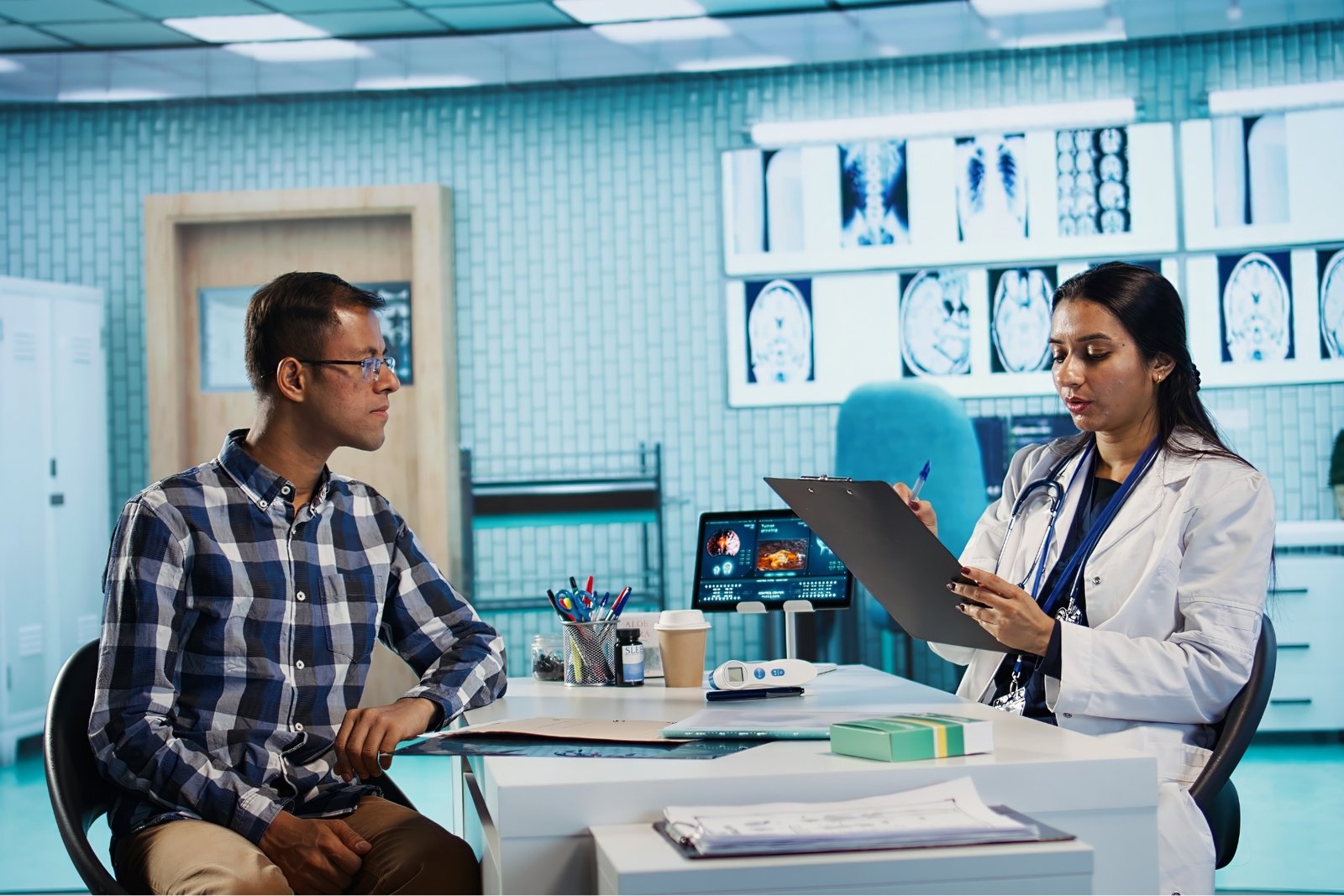
Healthcare is personal and local. Hospitals, clinics, and healthcare providers in India can leverage digital platforms to educate the public, build trust, and drive patients to their facilities for consultations. Here’s how:
- Google Search and Local SEO – Be There When Health Seekers Search: When someone has a medical need, they often search on Google first (e.g. “best cardiologist in Chennai” or “hospital near me”). Ensuring your hospital or clinic ranks high can directly translate into patient footfall. Use Google Ads for key treatments (“knee replacement surgery Pune”) and maintain an updated Google Business Profile with correct address, phone, photos of the facility, and lots of patient reviews. Many Indians heavily consider ratings – for instance, seeing a 4.5-star rating with 500 reviews for a hospital gives confidence to choose it over others. According to one report, 77% of patients research doctors or hospitals online before deciding. So invest in SEO (blog about health tips, treatment FAQs targeting local keywords) and make sure you appear in those critical searches.
- Facebook – Community Outreach and Trust-Building: Facebook is a great platform for hospitals to humanize themselves and engage the community. Share patient success stories (with permission), doctor Q&As (“Live chat with our pediatrician at 5 PM”), and preventive health tips (e.g. infographics on diabetes management in English and vernacular). You can also create Facebook Events for things like a free health camp or blood donation drive, and promote them to users in your city. Such community service content not only drives offline participation but also builds a trustworthy image. Consider using Facebook Ads to target specific demographics for particular services – for example, an IVF clinic might run ads to women aged 25-40 in its region, focusing on success rates or patient testimonials. Lead Ads can work here too (e.g., “Book a free fertility consultation – sign up now”), allowing you to capture interested patient leads and then call/WhatsApp to schedule an appointment.
- Instagram – Health Awareness and Young Audience Engagement: Many schools, colleges, and young professionals follow health pages on Instagram for wellness content. Hospitals can use Instagram to post quick health tips, showcase modern facilities, or highlight patient care moments (a heartwarming video of a cancer survivor ringing the victory bell in the hospital, for instance). If you have doctors who are good communicators, have them do short Reels busting health myths or explaining medical procedures in layman terms. This not only educates but positions your staff as experts. Instagram Stories can be used to run polls (“Have you got your annual health check-up?”) or quizzes, making health education interactive. While Instagram may not directly drive an ER visit, it keeps your brand in people’s minds so that when they do need care, they recall your hospital positively.
- WhatsApp – Patient Follow-ups and Appointment Reminders: Many Indian healthcare providers are already using WhatsApp informally – let’s formalize it. Use WhatsApp Business to send appointment reminders (“You have a check-up tomorrow at 10am, reply YES to confirm”), post-visit follow-up messages (“How are you feeling after physiotherapy? Any questions, we’re here.”), and even share lab reports securely (some hospitals have started doing this with patient consent). You can also send broadcast messages to patient lists for awareness (e.g., “This month is Heart Health Month – we have a free cardiac camp on Sunday”). Because WhatsApp feels personal, patients appreciate the outreach more than a generic SMS. It can significantly improve show-up rates and loyalty – a patient is more likely to return to a hospital that proactively checks on them via a friendly WhatsApp note.
- YouTube – Doctor Talks and Testimonials: YouTube is a powerful tool to build credibility. Post videos of doctor interviews (“Our neurologist explains how to spot a stroke”), patient testimonials, or even simple facility tours (“Take a look at our new MRI center”). Many Indians search YouTube for health information as well (e.g., “knee surgery success story” or “how dialysis works”), so being present there can capture that audience. Plus, these videos can be shared on WhatsApp to prospective patients who want to know more about a procedure or see success stories. Seeing a real patient’s story on video can greatly increase a new patient’s trust to walk in for a consult.
Scenario: HealthyLife Hospital, a mid-sized hospital in Jaipur, wanted to increase its out-patient footfall and be known for its cardiology department. They started by optimizing Google – running Google Ads for “best cardiologist Jaipur” and “heart hospital Jaipur,” which led to a landing page to book an appointment. They also updated their Google Business listing with new photos, a virtual 360° tour of the cardiac ICU, and encouraged happy patients to leave reviews (they went from 50 reviews to 500+ in a year, averaging 4.6 stars, making them the top-rated in the area). On Facebook, HealthyLife regularly posts patient recovery stories (with permission) and health tips (e.g., diet for healthy heart). One post about a 60-year-old patient who survived a heart attack and completed a marathon after treatment at HealthyLife went viral locally, getting thousands of shares – tapping into Indians’ love for inspirational stories. The hospital also ran a Facebook Event promo for a free heart check-up camp; 200 people showed up (many from surrounding Tier-2 towns). On the backend, their staff uses WhatsApp to confirm appointments and send follow-up tips (“Take your medicines on time – here’s a diet chart PDF”). Over a year, they noticed a 30% rise in cardiology outpatients and improved patient satisfaction scores. Patients often comment, “We saw your hospital on Facebook” or “We read Google reviews that convinced us to come.” By meeting patients where they are online, the hospital earned trust that translated into real-world visits.
Schools & Colleges: Connecting with Students and Parents

Educational institutions – from K-12 schools to colleges and universities – need to appeal to a dual audience: students and their parents (who are often the decision-makers). In India, education is a high-involvement category, and digital channels play a big role in shaping perceptions. Here’s how different platforms can help you increase admissions and engagement:
- Instagram – Showcasing Campus Life and Student Stories: Teenagers and young adults practically live on Instagram. To attract students (especially for colleges or higher education), maintain an active Instagram profile that highlights the best of campus life: events, student achievements, sports, cultural fests, cool facilities, etc. Use Instagram Reels to show 30-second campus tours, student testimonial snippets (“Why I love studying at XYZ College”), or even quick tips from teachers (“3 study hacks for board exams”). This creates an aspirational image that students connect with. For schools (K-12), the target on Instagram might be slightly older students (high schoolers) and young parents. Sharing things like fun class activities, parent testimonials, or teachers’ introductions can build trust. You can also use Instagram Ads targeted by age, location, and interests (for example, an MBA institute might target 21-28 year olds in metro cities interested in “business” or “CAT exam”). Given that Indian youth use Insta for even serious info these days, having an engaging presence there makes your institute look modern and student-friendly.
- Facebook – Parent Engagement and Local Community: Many parents (especially of school-going kids or undergrads) are active on Facebook. Use a Facebook Page to build a parent community. Share updates about school events, PTMs, new facilities, or educational tips for kids. Facebook Groups can be excellent for this – for instance, create a “ABC School Parents Group” where only current parents are invited, to discuss school matters, share photos from sports day, etc. This fosters loyalty and word-of-mouth. For colleges, you might have an alumni group or a “Prospective Students Q&A” group. Additionally, run Facebook Ads targeting parents in your city – e.g., a private school might run ads in March (admission season) saying “Admissions Open for Nursery – Limited Seats, Apply Now!”, targeting 25-40 year old residents. Facebook’s local targeting plus its broad reach in Tier-1 and Tier-2 cities makes it effective for reaching families. A strong Facebook presence with active engagement (prompt replies to messages, comments from happy parents) also signals trustworthiness to someone researching your institute.
- YouTube – Virtual Tours and Educational Content: When choosing a college – or even a school – people often hop to YouTube to see more. A well-produced virtual campus tour video can greatly impress prospects who can’t visit in person (think of students from another state or NRIs looking for colleges in India). Schools can upload recordings of school functions, or a message from the Principal about the school’s vision. Colleges can share lectures or seminars (showcasing academic strength), and placement success stories (“Meet our alum who is now at Google”). YouTube SEO is important – title videos with things people search, like “XYZ College Campus Tour 2025” or “How to choose the right preschool – Principal’s advice”. Furthermore, you can use YouTube Ads to target specific regions or demographics – e.g., a coaching institute can show an ad before education-related videos to viewers in their city, inviting them to a demo class.
- Google Search & Ads – Capturing Admission Queries: “Best schools in [City]”, “Top engineering colleges in India”, “MBA college with 100% placement” – these are examples of searches parents and students do. Ensure you’re visible. Invest in SEO (get listed on education portals, have a blog that posts useful articles like “5 things to look for in a good school”), and run Google Ads during admission season. If you’re a college that accepts CAT or JEE scores, bidding on those keywords (e.g. “colleges accepting JEE score in south India”) can bring targeted traffic. Also, have a dedicated landing page for admission inquiries with a clear form or contact info. An often overlooked piece: Google Business Profile for your institution – yes, even schools and colleges should have one, so that if someone Googles your name or “colleges near me”, they see correct info and reviews. Encourage students and alumni to leave reviews there – a plethora of positive comments about quality of education, safety, etc., will ease concerns of other parents/students.
- WhatsApp – Nurturing Prospective and Current Students: Many schools and colleges use WhatsApp informally, but it can be powerful when done right. Create a WhatsApp Business account for the admissions office. When someone inquires (from a Facebook ad or Google form), you can send a WhatsApp message: “Hello, thank you for your interest in XYZ Institute. This is the admissions counselor – do you have any questions? Here’s a prospectus.” The quick, interactive nature of WhatsApp can turn a lukewarm lead into an interested applicant by answering questions in real-time. For current students/parents, WhatsApp groups or broadcast lists are great for urgent updates (e.g., “Tomorrow is a holiday due to rains” or “Fee deadline reminder”). Just be mindful of not over-spamming; use it for important communications and personal touchpoints.
Scenario: Sunrise Public School, a reputed CBSE school in a Tier-2 city (Lucknow), wants to boost its nursery admissions. They create a heartwarming video ad showing happy clips of kindergarten kids in class and playground, with a narrator saying “Give your child the best start at Sunrise Public School – Admissions open for 2025”. This runs on Facebook and Instagram Ads targeting women and men 24-40 in Lucknow. When parents click “Learn More”, it opens a simple lead form to submit their number. The school’s admission team promptly follows up via WhatsApp, sending a brochure PDF and a YouTube link of the virtual school tour. One hesitant parent asks on WhatsApp if the school provides daycare – the counselor responds in minutes with details, impressing the parent with attentiveness (Indian parents value that personal attention highly). Meanwhile, the school regularly posts on Facebook: tips on nurturing reading habits, photos of class activities, etc., which many current parents share – spreading the word. In one post, they include a testimonial from an alum now in IIT, thanking the school’s teachers, which goes viral in local circles. The result: Sunrise sees a 50% increase in inquiries compared to last year, and many parents walking in already feel like they know the school from social media. By the time admissions close, all seats are filled and there’s a waiting list – largely thanks to the school effectively bridging online engagement to offline enrollment.
Politicians & Public Figures: Engaging the Masses
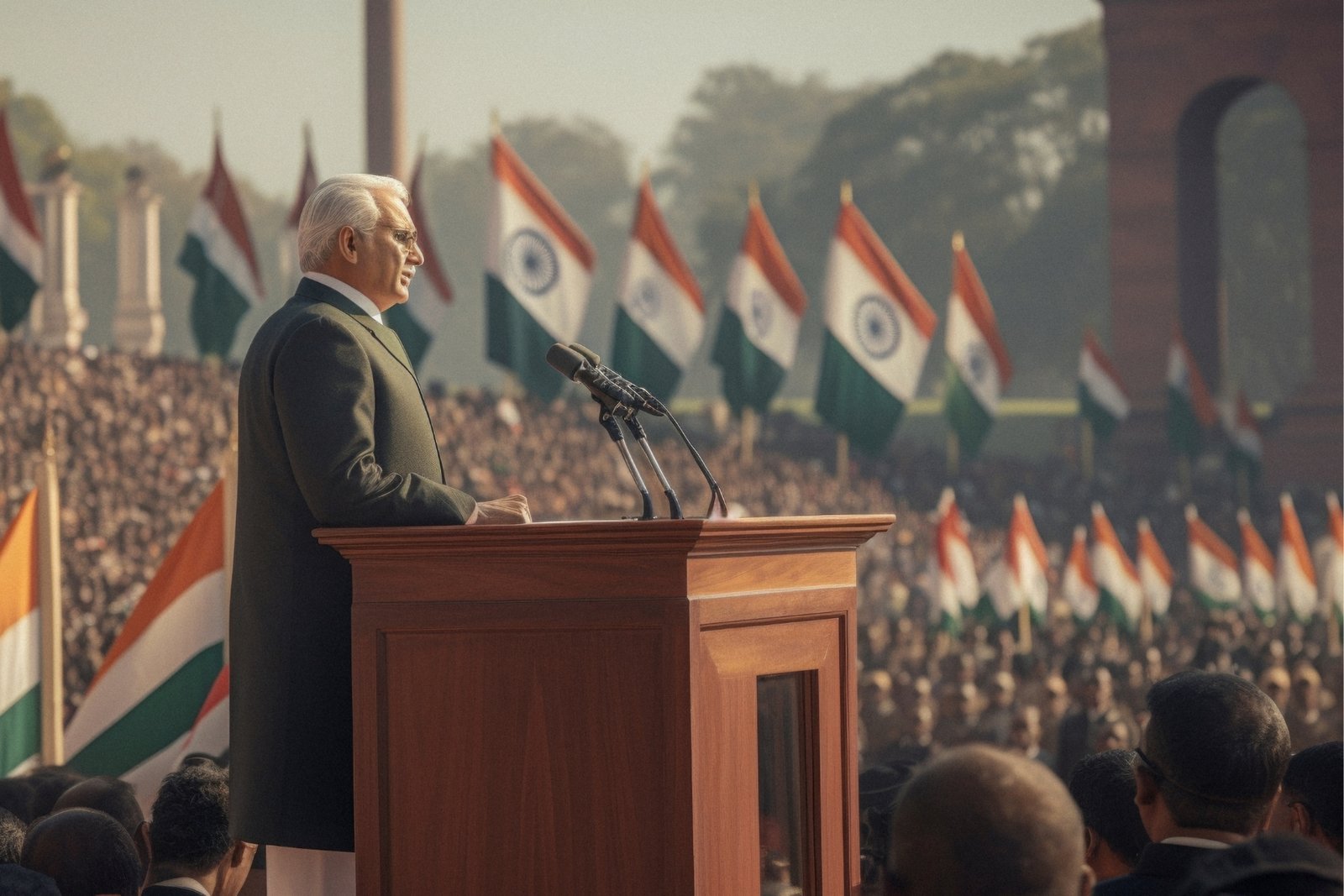
For politicians, influencers, or public figures (like authors, speakers, local celebrities), social media isn’t just an option – it’s a necessity for direct communication with the public. India has over 900 million eligible voters and an enormous social media population, so digital platforms have become critical in shaping public opinion and personal brands. Here’s how public figures can choose platforms:
- Facebook – Broad Reach to the General Public: Facebook’s massive user base in India (spanning urban and rural, young and old) makes it a prime platform for politicians and public figures to maintain a presence. Create a verified Page and post regularly about your activities, announcements, and viewpoints. Use local languages where appropriate to connect with different regions (e.g., a politician in Karnataka posting in Kannada to reach local constituents). Facebook Live is a great tool – leaders often go live to address citizens directly or during events, getting real-time feedback. Engagement is key: respond to comments, even if via staff – a liked or responded comment (“Thank you for your support”) can turn a follower into a loyal advocate. Politicians have seen huge followings here; in fact, some Indian political leaders rank among the world’s most-followed on Facebook and Instagram. It’s worth noting that leading up to the 2024 elections, Facebook took a back seat among first-time voters who favored Instagram (40% got political updates via Instagram), but Facebook still captures the older demographic and rural audiences due to broader smartphone availability and familiarity.
- Instagram – Connecting with Youth and Personal Branding: Instagram has emerged as a crucial platform to shape a more personal, relatable image. For public figures, Instagram is where you can share behind-the-scenes moments, personal stories, or visually captivating messages. A Member of Parliament might post a Reel from a rally with an inspiring caption, or a famous athlete could share daily training snippets on Stories. The idea is to humanize and inspire. For politicians, a big chunk of young voters (18-25) are on Instagram; posting in a style that resonates (like using trending music for a Reel showcasing a day on the campaign trail) can make you appear in touch with the youth. Also consider Instagram’s IGTV or longer videos for things like answering common public questions, albeit keep it engaging. Polling and questions stickers on Stories can be used to get feedback (“What issue matters most to you in our city?”) – great for engagement and listening to your base. Keep in mind, consistency and authenticity win – people can tell if a public figure’s Insta is just managed by a PR team posting press releases vs. one where the tone feels genuine.
- Twitter (X) – Real-Time Updates and Thought Leadership: (While not explicitly in our initial list, it’s relevant for public figures). Twitter is widely used by journalists, urban educated audiences, and is a news source. Use it for quick updates, commentary on issues, and engaging in public discourse. Many Indian politicians use Twitter to make official statements or even address grievances (Twitter Seva etc.). Ensure to maintain civility and responsiveness – Twitter can amplify both praise and criticism fast.
- YouTube – Long-Form Connection: YouTube allows public figures to share longer messages without the sound-bite limitations of news media. Politicians can upload full speeches, interviews, or even start vlogs explaining their initiatives in depth. A public figure like a motivational speaker or spiritual leader might run a popular YouTube channel to regularly connect with millions (this is indeed common in India). Live streaming rallies or events on YouTube can reach supporters who can’t be there in person. Plus, the content stays for later viewing. Importantly, YouTube’s reach in vernacular languages is huge – a local leader could start a YouTube series in the regional language discussing local development, building a dedicated following. Given YouTube’s massive Indian audience, this platform is a must for those who want to shape narratives and provide richer content beyond short posts.
- WhatsApp – Grassroots Mobilization: Much of Indian politics and fan following happens on WhatsApp behind the scenes. Politicians or public figures often have WhatsApp groups for supporters, volunteers, or fan clubs in different areas. These are used to disseminate messages, clarify any circulating fake news, and organize on-ground action (“Reminder: Rally at 5 PM, please gather at location X”). From an official standpoint, having a WhatsApp Business number where people can reach out for information (“Send ‘Hi’ to get my monthly newsletter or event schedule”) can be useful. Also, using WhatsApp Broadcast lists to send out updates (like a concise achievement list or a festival greeting which doubles as a soft connect message) keeps your core base informed and feeling personally connected. Caution: WhatsApp can also spread misinformation rapidly, so public figures need to be proactive in sharing accurate info and countering rumors via the same channels.
Scenario: Meera Desai, an emerging political leader in Gujarat, uses a multi-platform strategy to boost her popularity and trust. On Facebook, her team posts daily – local language updates about her visits, photos inaugurating a local clinic, and graphics showing development stats in her constituency. She runs a few Facebook Ads targeting her district’s population, promoting a short video titled “Meera’s 5 promises for Navsari” to ensure even non-followers see her vision. On Instagram, Meera shares a lighter side – a Reel of her making chai at a supporter’s home got thousands of likes, especially from youngsters who commented that she seems humble and approachable. Noticing that 40% of young first-time voters get political news on Instagram, she also collaborates with a couple of student influencers who interview her on IG Live about youth employment issues. On WhatsApp, her campaign has set up dedicated groups in each village of her constituency. When a false rumor spread on WhatsApp about her stance on a policy, her volunteers swiftly forwarded a clarifying voice note from Meera herself to all groups – containing her actual explanation. This quick, personal communication nipped misinformation in the bud, which could have hurt her in the election. Come election day, Meera’s integrated social presence pays off: she not only wins, but exit polls indicate she captured an unprecedented share of the youth vote, many of whom cited “we felt we connected with her through social media” as a reason for their support. For public figures like Meera, digital platforms became as critical as the podium for reaching and influencing people.
Hotels & Hospitality: Welcoming Guests via Digital Channels
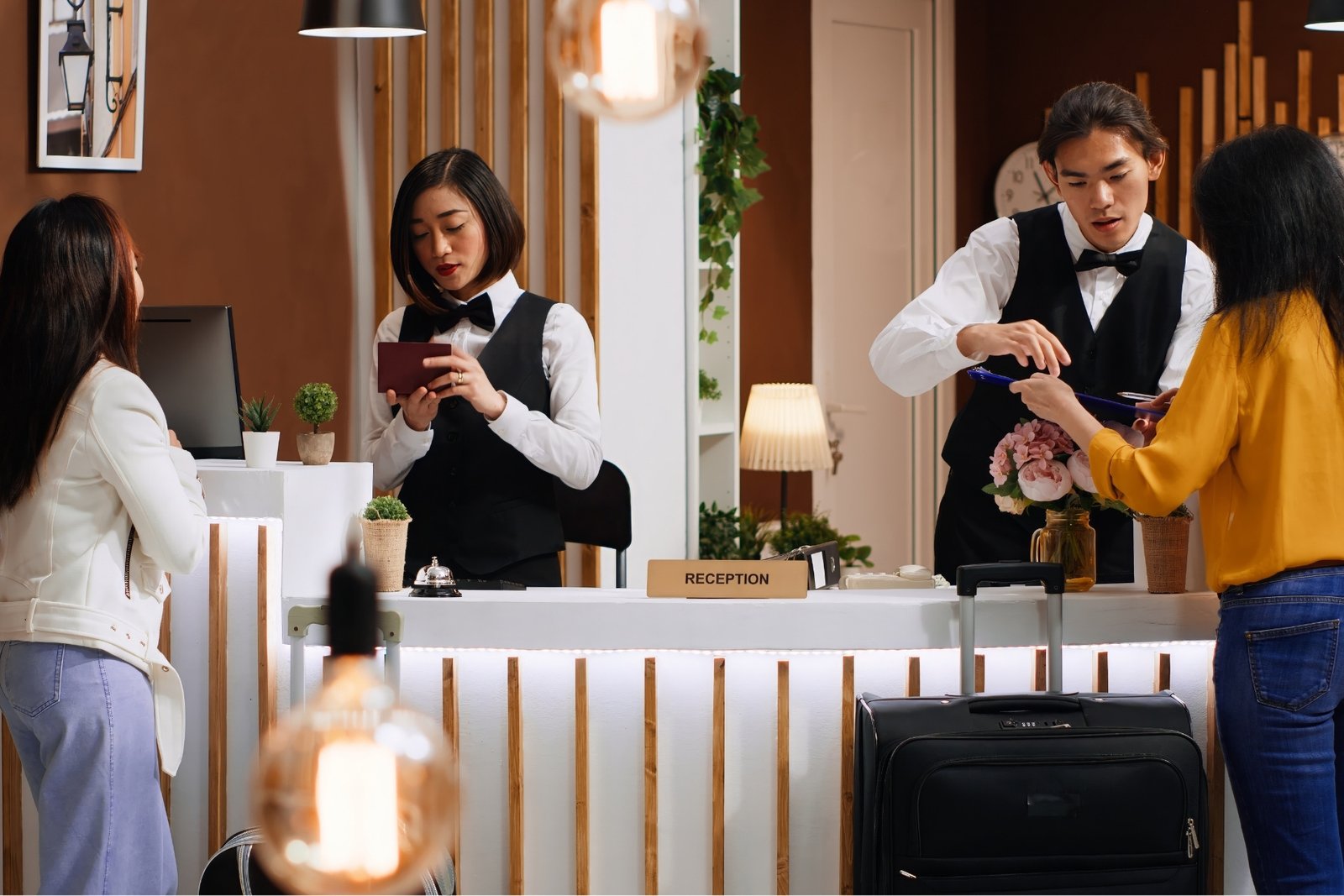
For hotels, restaurants, and the hospitality sector, digital platforms serve both to inspire potential travelers and to capture bookings or footfall. India’s hospitality market is highly influenced by online reviews and visuals – people want to “see” the experience before they go. Here’s how to choose platforms:
- Instagram – Inspire Travel with Visual Storytelling: Instagram is the perfect canvas to showcase the ambience, food, and experiences your hotel or restaurant offers. Post gorgeous photos of your property – the pool at sunset, the cozy room setup, a chef plating a dish, happy guests enjoying a bonfire – anything that sells the experience. Use Instagram Stories for quick testimonials (“Guest of the week: what they loved about our resort”) or behind-the-scenes (a tour of the kitchen garden, etc.). Reels are fantastic for hospitality: create 15-30 second mini-ads like “A day at [Your Resort Name]” showing morning breakfast, spa, evening cultural show – this can go viral if done beautifully. Also encourage user-generated content: run a hashtag and feature guests’ best Insta photos at your place (Indians love recognition, and seeing real guests adds authenticity). Many travel decisions, especially leisure, are driven by aspiration – a great Insta feed can put you on the map as the place to visit. You can even partner with travel influencers; an influencer’s reel staying at your hotel can reach hundreds of thousands of potential guests.
- Facebook – Local Outreach and Engagement: Facebook works well to connect with slightly older travelers and for local patronage (like for restaurants or weekend getaway resorts). Maintain a Facebook page with updated info and actively respond to inquiries (“Do you have banquet facilities?” etc. – treat your Facebook inbox like a customer service channel). Share deals or packages on Facebook (e.g., a Festive Season discount post boosted to people in your city). You can use Facebook’s event feature if you host live events (like a New Year’s party, or weekend live music at your restaurant) to get RSVPs and reach more people. Facebook Ads targeting travelers can also be useful; for example, a hotel in Goa can target people in Mumbai and Delhi interested in travel/beaches during winter with a special offer to visit. One more tip: utilize Facebook Reviews on your page – ask happy guests to leave a recommendation on Facebook as well (besides TripAdvisor/Google). Many users check a hotel’s Facebook page for recent posts and reviews before booking, so an active, positive page can sway them.
- Google (Search & Maps) – Capture Bookings and Navigate Customers: Many hotel bookings still come via search or map queries. Ensure your hotel is well-listed on Google Maps with correct pin, photos, and lots of reviews. A huge number of travelers in India use Google Maps to search “hotels near [location]” or even as a shortcut to see ratings. If your hotel has 4.5 stars and recent glowing reviews like “Great service and clean rooms” on Google, it stands out. Invest effort in encouraging reviews – perhaps follow up with guests on WhatsApp post-checkout with a polite request and direct link to review. Use Google Search Ads for targeting generic searches (“resort in Lonavala”) – but note, you’ll compete with OTAs like MakeMyTrip. If budget allows, consider bidding on your brand keywords to avoid OTA commissions (so when someone searches your hotel name, your ad with “Official Site – best price guaranteed” shows up). Also, Google Travel/Hotel ads (if you integrate with Google’s hotel system) can list your room rates directly on Google search results, which is great for direct bookings.
- YouTube – Experience Videos and Testimonials: YouTube can influence trip planning. Create an official channel to post experience videos: aerial drone shots of your resort, guest testimonial videos (“Our wedding at XYZ Hotel – it was perfect!”), nearby attraction guides (“5 awesome things to do around our hotel”). Storytelling works – maybe a short film of a couple’s weekend stay capturing the emotions. These not only serve as marketing collateral on your website but also attract organic viewers searching for travel content in your area. You can also run YouTube ads targeted by interest (e.g., show your scenic resort ad before travel vlog videos watched by Indian travel enthusiasts). If you run those influencer stays, ensure those videos link back to you or at least mention you strongly so viewers can find you.
- WhatsApp – Personal Concierge and Retention: WhatsApp can be a game-changer for guest experience. Use WhatsApp for reservation confirmations (“Your booking is confirmed, here’s your booking ID, excited to host you!”) and even as a virtual concierge for in-house guests (“Hi, this is the front desk, feel free to message if you need any assistance during your stay.”). Some hotels in India now use WhatsApp Business API to handle common questions (like sending the WiFi password or menu on request). This quick support impresses guests. Also, post-stay, you could use WhatsApp to send a thank you and perhaps a promo code for next visit (driving loyalty and repeat visits). Just ensure you get consent to message, and don’t overdo it. Additionally, for restaurants, taking table reservations or orders via WhatsApp is increasingly common. A simple “WhatsApp us to reserve a table” on your Facebook/Insta can funnel interested diners directly into a conversation where you can confirm their booking and maybe recommend a dish or two (upsell subtly).
Scenario: Tranquil Lakes Resort, a luxury resort in Udaipur, crafts a digital strategy to boost bookings from metro cities. Their Instagram shines – professional photographs of candlelit dinners by the lake, Reels of folk dance performances at their property, and stories featuring “Guest of the Week” selfies create FOMO for anyone scrolling. One particular Reel showing a before-and-after transformation of a plain city couple turning into a relaxed, smiling duo after a weekend at Tranquil Lakes goes viral with travel hashtags – it gets featured on Instagram’s explore page, pulling in 50k views and a bunch of inquiries (“Where is this place? I want to go!”). On Google, Tranquil runs search ads for “Udaipur resort” and “romantic getaway Rajasthan”, ensuring they’re seen by urban couples planning a holiday. They notice many prospects call the number on Google listing, so they add a WhatsApp Business number – now about 30% of those who find them on Google end up chatting via WhatsApp for queries (much easier to share location, send photos of room types, etc., in chat). The resort’s staff promptly replies on WhatsApp with a friendly tone and sends a direct booking link, swaying people away from booking via OTAs. Meanwhile, their Facebook page runs a contest “Win a Free Night’s Stay” encouraging users to share their post and tag someone – this spikes their page followers and engagement locally. After implementing these, Tranquil Lakes sees a noticeable rise in direct bookings (saving on commission fees), and many guests upon check-in mention, “We loved your Instagram!” or “Your WhatsApp support made booking so easy”. By painting a dream online and following through with personal touchpoints, the hotel filled more rooms and delighted guests even before they arrived.
Conclusion: Crafting Your Perfect Platform Mix
In India’s dynamic digital landscape, choosing the right platform for your business is like choosing the right vehicle – you need the one that can navigate your route and get you to your specific goal. Instagram, LinkedIn, Facebook, YouTube, Google, WhatsApp – each has its strengths. The best approach is often a strategic mix tailored to your audience and business type:
- If you’re B2B or aiming at professionals – lean into LinkedIn and Google, with a supporting role for content on YouTube.
- If you’re consumer-focused with a visual product – Instagram and Facebook are your go-to, amplified by YouTube for depth and WhatsApp for closing the sale.
- For local services and footfall – prioritize Google (Search/Maps) and Facebook for local community engagement, plus WhatsApp for follow-through.
- Always consider the behavioral insights: Indians value trust, personal connection, and relevance. A smaller engaged following in a local language can convert better than a huge generic following. Storytelling, consistency, and responsive communication (don’t let that Facebook comment or WhatsApp message go unanswered for days!) will build credibility over time.
Finally, remember that digital success isn’t just about the platform – it’s about strategy and execution. That’s where we come in. Smart Designs specializes in crafting tailored digital platform strategies for businesses in India. Whether you’re a real estate firm in Mumbai, a hospital in Patna, or a SaaS startup in Bengaluru, our team can help you identify where your audience is most active and how to engage them effectively. We’ll work with you to create compelling content, run targeted ad campaigns, and integrate tools like WhatsApp Business or analytics to track results – all aligned with your business goals.
Ready to amplify your online presence and convert clicks into customers (and footfalls)? Contact Smart Designs today for a free consultation on building a smart, effective platform strategy for your business. Let’s transform your digital journey and drive real results together.